Dead Branch Removal in Doylestown, PA
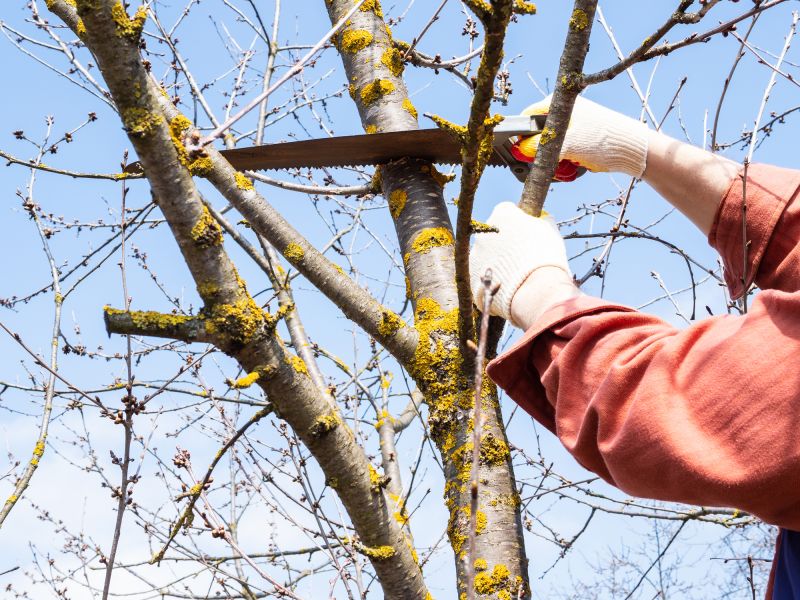
Dead branch removal services involve the careful trimming and removal of dead or diseased branches from trees on residential properties. This work helps to improve the overall health of the tree, reduce the risk of falling limbs, and maintain the aesthetic appearance of the landscape. Projects typically include removing dead or broken branches that pose safety hazards, clearing away overgrown or damaged limbs, and ensuring the tree’s structure remains balanced and healthy. Property owners often want to understand which branches are safe to remove, how the process might affect the tree’s growth, and any potential impacts on the surrounding landscape before requesting this service.
Homeowners considering dead branch removal should consider the size and location of the branches in question, especially those near power lines, rooftops, or heavily trafficked areas. It’s important to evaluate whether the removal might influence the tree’s stability or growth pattern. Additionally, understanding the best time of year to perform dead branch removal can help ensure the health of the tree is preserved. Contacting a professional for an assessment can provide guidance on which branches should be removed and the proper techniques to do so safely and effectively.
Many property owners in Doylestown, PA look into Dead Branch Removal for repairs, replacements, upgrades, and appearance-related improvements.
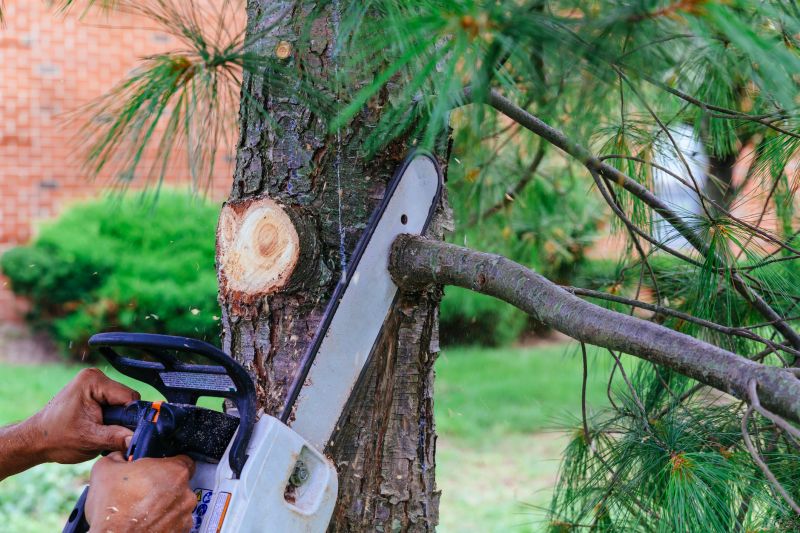
Safety And Property Protection
Removing dead branches helps prevent damage to your trees, home, and outdoor space.
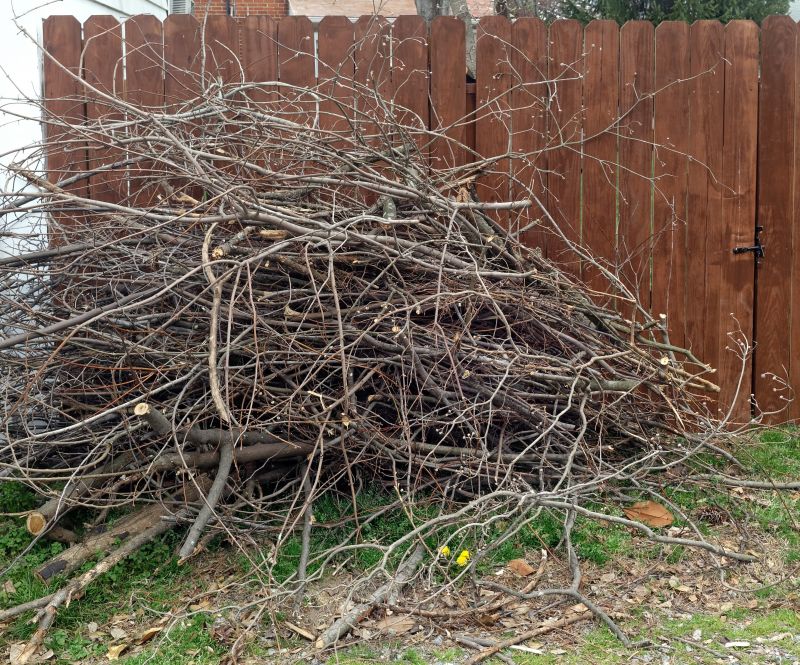
Tree Health And Maintenance
Pruning dead branches promotes healthier growth and reduces the risk of disease.
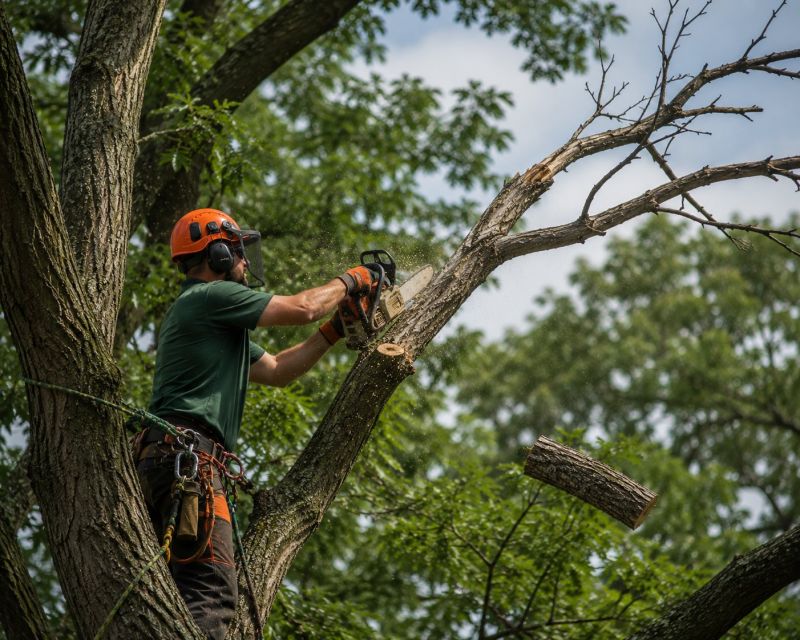
Aesthetic Enhancement
Removing unsightly or hazardous dead branches improves the appearance of your landscape.
Dead Branch Removal in Doylestown, PA
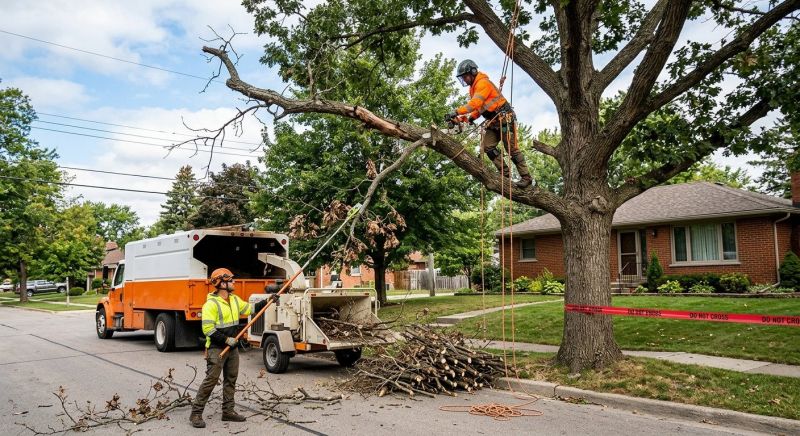
Dead branch removal services involve the careful trimming and removal of dead or diseased branches from trees on residential properties. This work helps to improve the overall health of the tree, reduce the risk of falling limbs, and maintain the aesthetic appearance of the landscape. Projects typically include removing dead or broken branches that pose safety hazards, clearing away overgrown or damaged limbs, and ensuring the tree’s structure remains balanced and healthy. Property owners often want to understand which branches are safe to remove, how the process might affect the tree’s growth, and any potential impacts on the surrounding landscape before requesting this service.
Homeowners considering dead branch removal should consider the size and location of the branches in question, especially those near power lines, rooftops, or heavily trafficked areas. It’s important to evaluate whether the removal might influence the tree’s stability or growth pattern. Additionally, understanding the best time of year to perform dead branch removal can help ensure the health of the tree is preserved. Contacting a professional for an assessment can provide guidance on which branches should be removed and the proper techniques to do so safely and effectively.
Many property owners in Doylestown, PA look into Dead Branch Removal for repairs, replacements, upgrades, and appearance-related improvements.
Common Dead Branch Removal Jobs
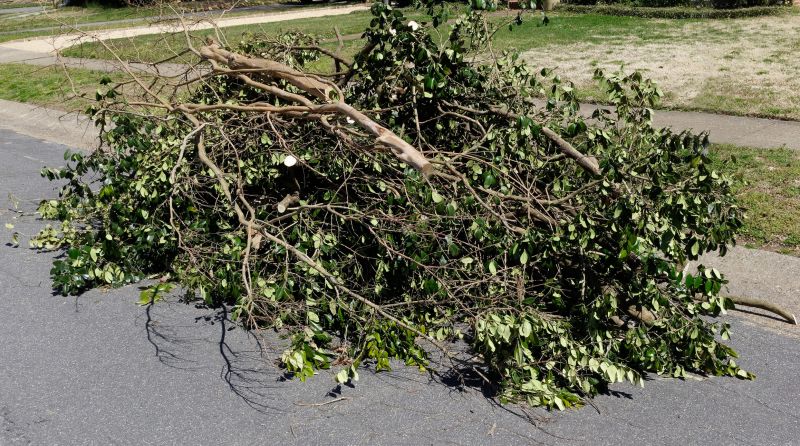
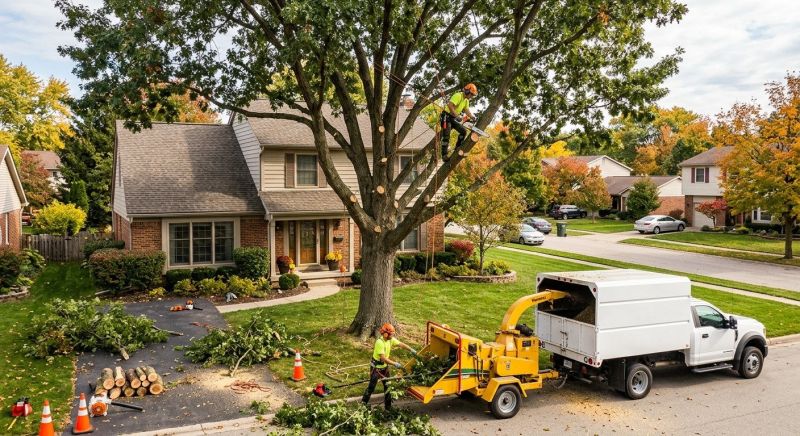
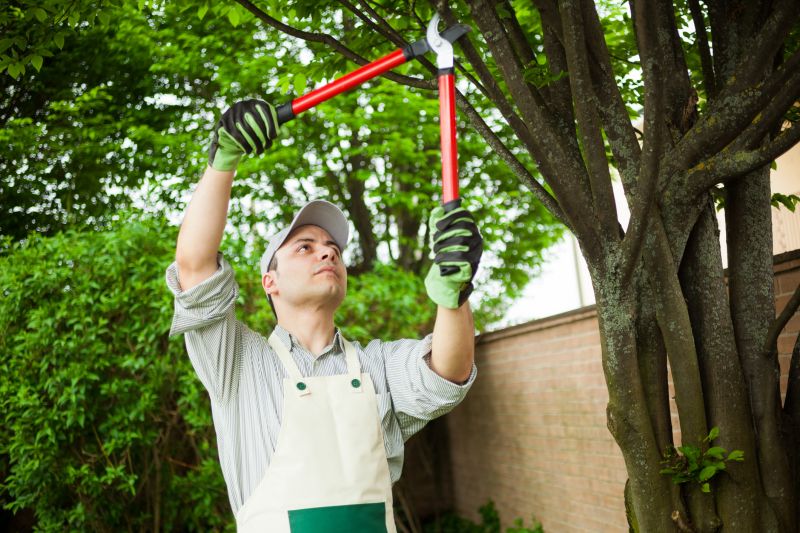
Dead Branch Removal Questions
Why remove dead branches from trees? Removing dead branches helps prevent potential damage to the tree and nearby property, and promotes healthy growth.
Is dead branch removal necessary for safety? Yes, dead branches can fall unexpectedly, posing a risk to people and structures nearby.
What types of trees benefit from dead branch removal? Most mature trees, including oaks, maples, and fruit trees, benefit from removal of dead or damaged branches.
When is the best time to remove dead branches? Dead branches can be removed anytime during the year, but late winter or early spring is often ideal for minimal stress on trees.
Request Dead Branch Removal in Doylestown, PA
Use the quote form on this page to share the basics of your project and request more information for the type of work you need.